Pets can’t tell us when something is wrong, so it’s up to us as owners to watch for signs of illness or injury. If you think your pet needs emergency care, don’t hesitate to seek veterinary attention right away. This article will cover how to recognize common signs that indicate your pet needs urgent care, what emergency services most veterinary hospitals provide, and other important information to help your pet in an emergency situation.
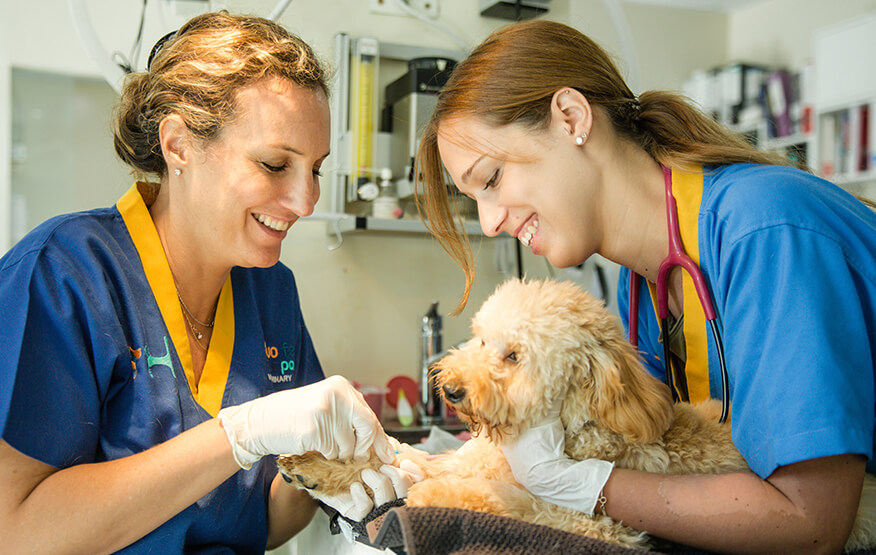
Watch for These Signs Your Pet May Need Emergency Care
Here are some of the most common signs that could indicate your pet needs to go to an emergency animal hospital:
- Difficulty breathing
- Prolonged seizures
- Uncontrollable bleeding or profuse vomiting with blood
- Sudden collapse or inability to stand
- Crying or whining from pain
- Extreme lethargy or lack of responsiveness
- Poisoning or toxin ingestion
- Severe allergic reaction
- Large lacerations or bite wounds
- Hit by car or other trauma
- Straining to urinate or defecate with no results
- Eye injury or sudden blindness
- Bloat
- Difficulty giving birth or severe puppy/kitten issues
Pets can go downhill very quickly when seriously ill, so don’t wait to see if symptoms resolve on their own. Get veterinary assessment immediately if your pet displays any concerning signs.
What Emergency Services Do Most Veterinary Hospitals Provide?
Most full-service veterinary emergency hospitals offer 24/7 urgent care with licensed veterinarians and technicians specially trained in emergency medicine.
Common emergency services include:
- Medical assessment and triage care
- IV fluid and medication administration
- Emergency surgery and procedures
- X-rays, ultrasounds, and other diagnostics
- Overnight monitoring and treatment
- Specialists on call for complex cases
- Blood transfusions and plasma
Additionally, some facilities may offer:
- Oxygen therapy
- Electrocardiograms (ECG/EKG)
- Endoscopy and exploratory surgery
- Dialysis or fluid therapy machines
- Physical rehabilitation
- Hyperbaric oxygen chamber
Any vet near me with 24-hour emergency services should be equipped to stabilize pets with life-threatening conditions and provide intensive monitoring and care. However, the extent of services can vary between locations.
Other Important Information for Pet Emergencies
Here are a few other things to know in case your pet needs emergency veterinary care:
Have contact information ready — Before an emergency occurs, compile a list of emergency clinics and hospitals in your area with their addresses and phone numbers. Program these into your contacts list.
Transport appropriately — If possible, transport small pets in secure carriers. Dogs should be leashed and restrained in the car for safety. Have blankets, towels, or a stretcher to gently move injured pets.
Notify the clinic you’re coming — It helps the veterinary team prepare if you call ahead that you’re on the way with an emergency case. Give them brief details on the pet’s condition.
Be prepared to make decisions — In an emergency situation, critical decisions often need to be made quickly about tests, procedures, and treatment options. Understand that the veterinary team will offer recommendations based on experience and what they believe is best for your pet’s health and wellbeing.
If you notice any concerning signs in your pet and suspect they need emergency care, trust your instincts and get them assessed by a veterinarian right away. With rapid treatment guided by a vet’s expertise, the chances for recovery greatly improve. Stay alert to subtle changes in your pet that signal illness or injury requiring urgent attention.